
Is the (Almost) Daily Dividends Pie a Trap?
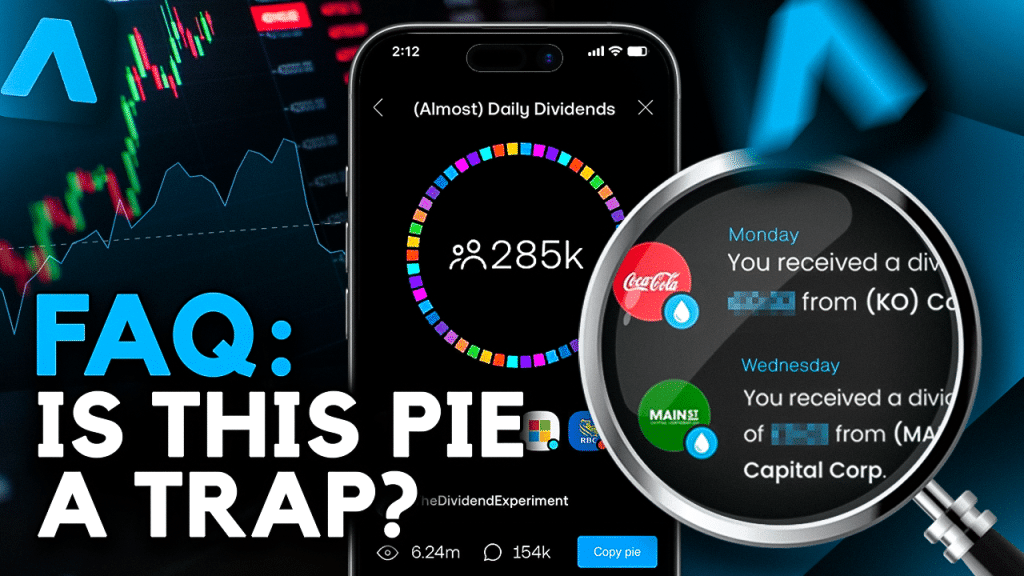
Short answer: No. A trap implies deception, and nothing about this pie is hidden: Every holding is visible on Trading 212. Every design principle is explained on this site. Every historical change is on the public changelog. Every dividend is traceable to a specific stock. When someone calls it a trap, it almost always comes […]
Do I Need to Rebalance the (Almost) Daily Dividends Pie?
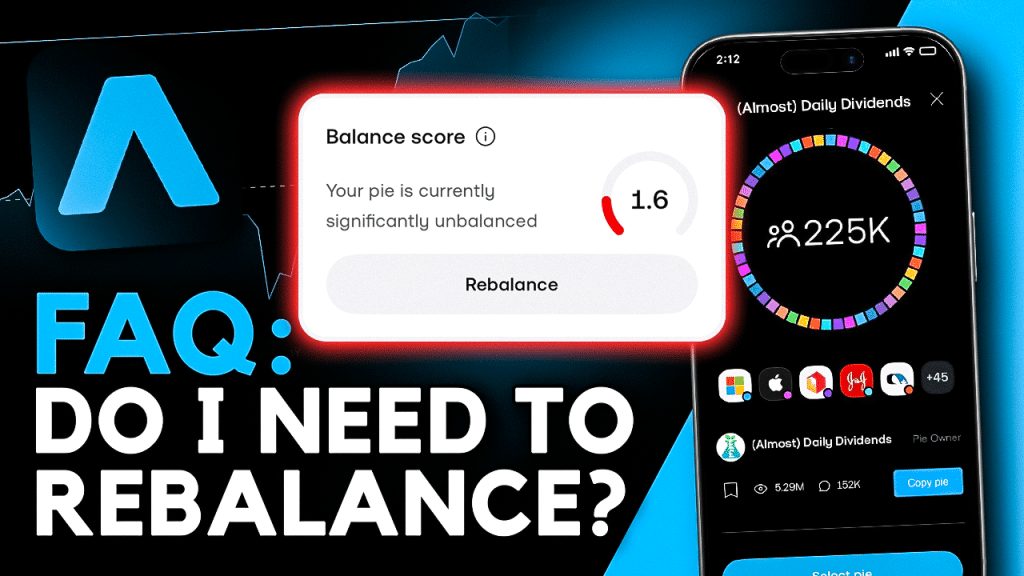
Short answer: Early on, probably not. While your deposits are large relative to the pie, self-balancing does the rebalancing for you. Once the pie is big enough that deposits no longer move the needle, watch the Trading 212 pie score: around 6.5 or below is my signal to rebalance manually, which for most people works […]
Why Haven’t My Dividends Arrived Yet? – (Almost) Daily Dividends Pie
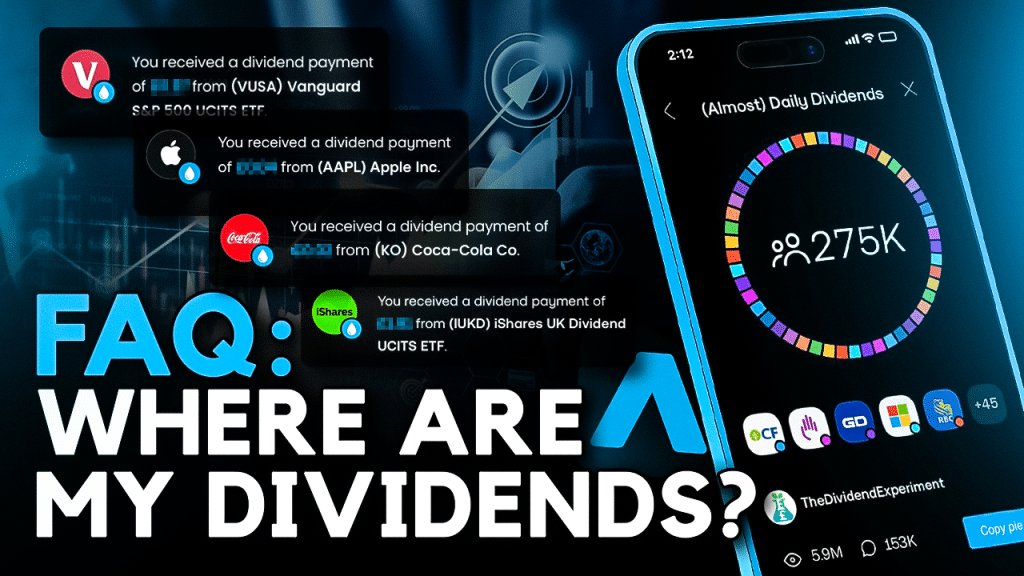
Short answer: Nothing is broken. If you invested in the (Almost) Daily Dividends pie a few days or a couple of weeks ago and the dividends haven’t started, it is almost always because the ex-dividend cycle for the specific stocks you now own hasn’t come round yet. Most people see: A first dividend within two […]
Weekly vs Monthly Investing: Does It Make a Difference?
Short answer: Weekly or monthly makes very little difference to where you end up. What counts is not leaving money in cash waiting for its turn, so the simplest answer is to line investing up with payday: Paid monthly? Invest monthly. Paid weekly? Invest weekly. And depositing more often won’t make dividends arrive more often, […]
How Dividend Reinvestment Works in a Trading 212 Pie
Short answer: Auto-reinvest is on by default in a Trading 212 pie. Dividends land in Pie Cash and are reinvested either: When Pie Cash crosses a threshold (£1 divided by your smallest slice weighting), or When your next deposit sweeps them in. If your dividends “aren’t reinvesting”, you almost certainly haven’t hit that threshold yet, […]
Self-Balancing vs By Targets: Trading 212 Allocation Options
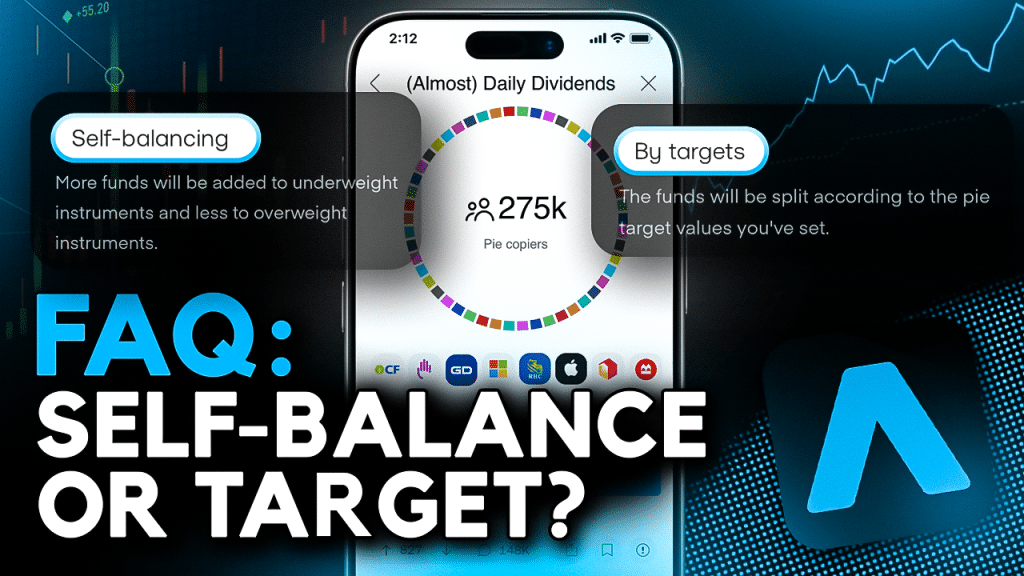
Short answer: Use Self-Balancing while your deposits are large relative to the pie, because each deposit then does real rebalancing work. Once the pie is big enough that deposits no longer move the allocations, switch to By Targets and rebalance manually every so often. Custom is mostly for people overthinking it. It’s a deposit-screen setting, […]
Portfolio Yield: How to Calculate Your Total Dividend Income
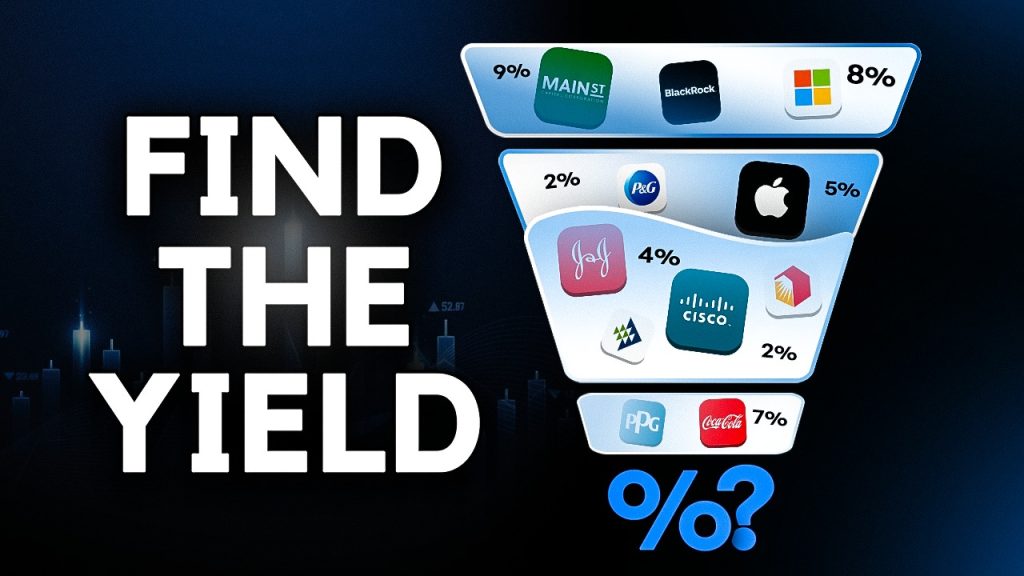
On portfolio yield, how to calculate the combined income from your investments, and why this figure matters when planning your financial future. What Is Dividend Yield? (And How It’s Calculated) Dividend yield is the income a stock pays you, expressed as a percentage of its price. Take a share that costs a hundred pounds and […]
Stock Buybacks vs Dividends: The Real Cost to Your Income
On stock buybacks vs dividends, what companies do with their surplus cash, and what those choices mean for investors who rely on income. What Companies Do With Surplus Cash A company can pay you a rising dividend, say all the right things about shareholder returns, and still be spending most of its money somewhere […]
VHYL vs VWRL: What’s the Difference?
The short answer: VHYL vs VWRL is a choice between two global Vanguard ETFs that both pay their income out as cash, but aim at different things. VWRL tracks the whole world stock market; VHYL screens that same world for companies paying above-average dividends. So VWRL gives you broad, growth-inclusive exposure with a lower yield, […]
VUKE vs ISF: Which FTSE 100 ETF?

The short answer: VUKE vs ISF is a choice between the two most popular FTSE 100 trackers, and they do virtually the same job. Both hold the 100 largest companies listed in London, both pay their dividends out as cash, and both track the same index closely. The differences are small: ISF, from iShares, has […]