
Can You Build a Dividend Pie and Never Add More Money?
Short answer: Yes, a dividend pie with auto-reinvest on will grow on its own with no further contributions, and over long horizons it does work. But the timescales are long and the outcome is dramatically smaller than the same pie with regular contributions on top. For anyone still earning, adding money is where the real […]
Should You Wait for a Market Dip Before Investing?
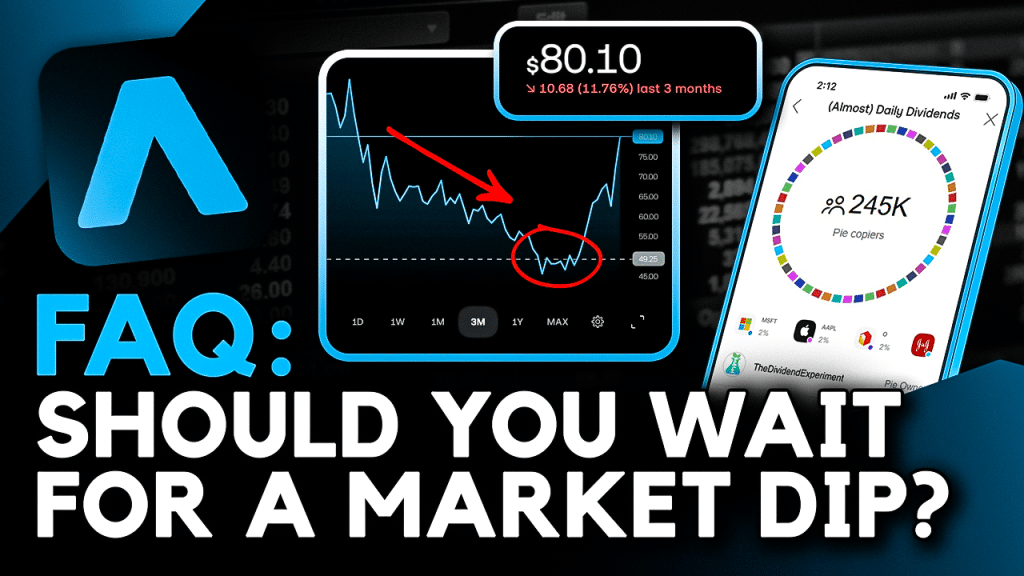
Short answer: Waiting for a dip sounds like a strategy but usually isn’t one. There’s no agreed definition of a dip, no reliable way to know when one is coming, and no reliable way to know when it’s over. With an income portfolio like the (Almost) Daily Dividends pie there’s an extra cost: every day […]
Lump Sum or DCA Into the (Almost) Daily Dividends Pie?
Short answer: The data favours investing a lump sum straight away. Vanguard’s research found lump-sum investing beat dollar-cost averaging roughly two-thirds of the time, and close to 90% of the time when the DCA period was stretched to three years. But DCA has real psychological value if it’s what keeps you invested, and that’s a […]
What Does the AAR Figure on Trading 212 Mean?
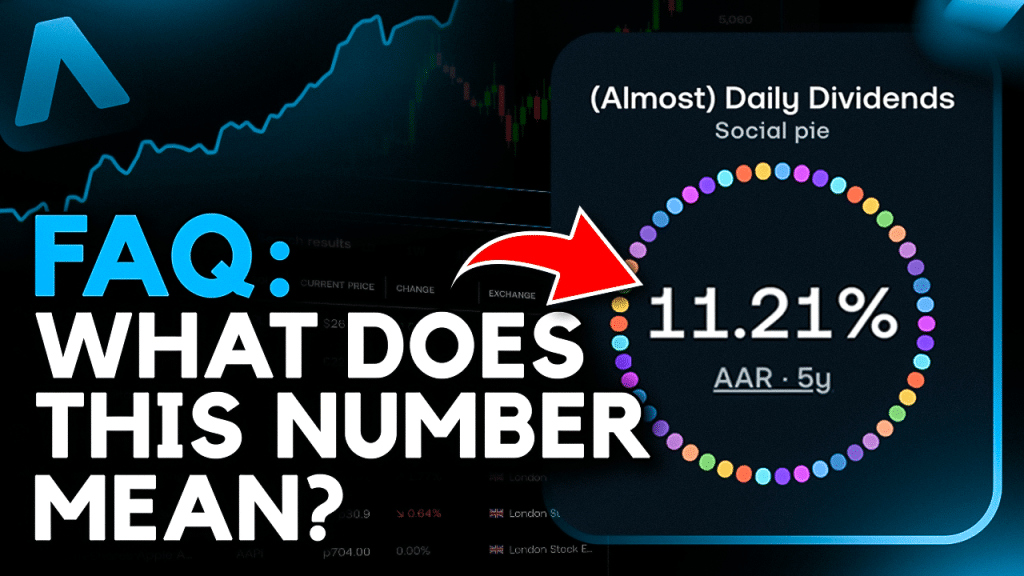
Short answer: AAR stands for Average Annual Return. It is a total return figure, dividends plus share price change combined, averaged over the past five years using the pie’s current holdings. It is not the dividend yield. If you read it as yield, you’ll come away with a completely wrong picture of what the pie […]
Trading 212 Cash Interest vs the Pie’s Dividend Yield
Short answer: Comparing Trading 212’s cash interest rate with the pie’s dividend yield is comparing the wrong two numbers. Cash pays income only; the pie can pay income and growth. Holding some cash outside the pie makes sense when it’s doing a specific job: an emergency fund, money for a known upcoming expense, or a […]
How Often Does the (Almost) Daily Dividends Pie Change?
Short answer: The 50 stocks aren’t locked in forever, but they don’t change often. Minor updates happen reactively when something specific triggers them, such as a dividend cut, a corporate action or a change to a payment schedule. Core updates, where a holding is upgraded to something better suited to its role, have averaged around […]
How to Check Your Trading 212 Pie Copy Is Linked
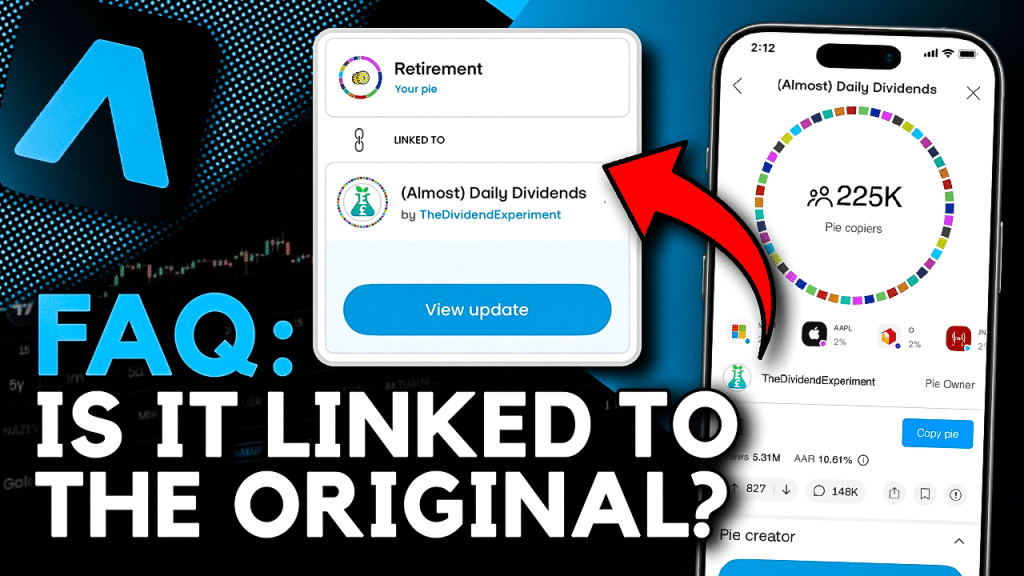
Short answer: Open your pie in the Trading 212 app, go to the Holdings tab, and look for a reference to the original pie. If it shows a link back, you’re connected and will receive update notifications. If there’s no link, your copy is independent, most likely because it was duplicated rather than copied, or […]
How to Sell a Trading 212 Pie (Full or Partial Withdrawal)
Short answer: Open the pie, tap Withdraw, enter the amount and confirm. Trading 212 sells a proportional slice of every holding to raise that cash, so the pie stays balanced whether you’re selling all of it or part of it. The mechanics are the same in an ISA or a general Invest account; the one […]
(Almost) Daily Dividends Pie vs S&P 500: Which is Better?
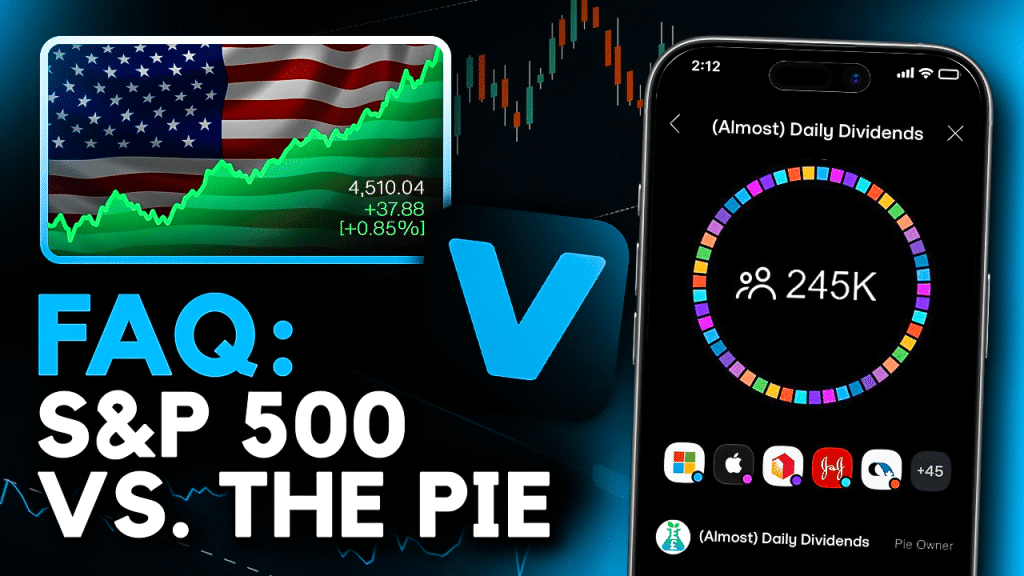
Short answer: It depends on what you’re investing for. If your only goal is the largest possible pot of money over the long run, the S&P 500 has the stronger historical case on total return. If you want regular income that can eventually replace a salary and cover bills without selling anything, the (Almost) Daily […]
(Almost) Daily Dividends Pie: Dividend Growth or High Yield?
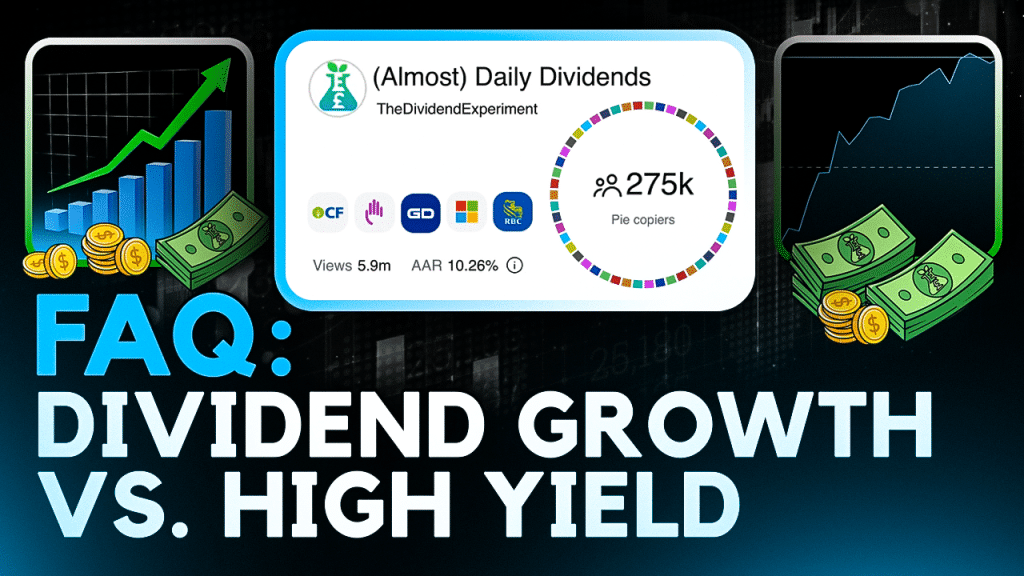
Short answer: It’s a hybrid, sitting close to the middle of the yield-versus-growth axis, in similar territory to VHYL. The starting yield lands around 3%, the dividend growth is modest but real, and neither is maximised at the expense of the other. What the pie actually optimises for is dividend safety and payment frequency. Dividend […]